
Microbial Factories
Bigger isn’t always better
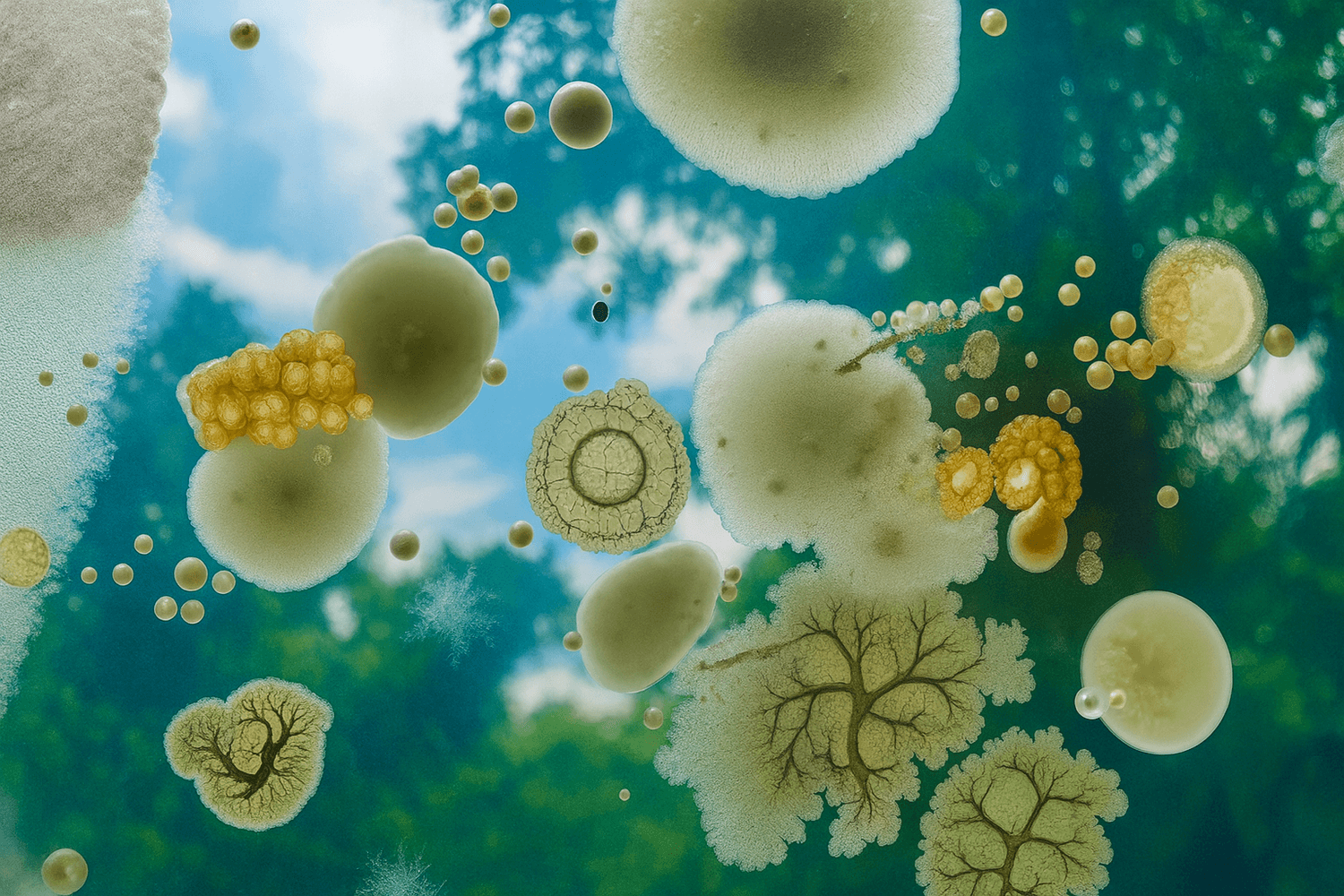
Humans have relied on microbes for millennia. Yeast brews our beer and raises our bread. Bacteria in our guts keep us healthy. Microscopic phytoplankton in the ocean produce half of the world’s oxygen. Thanks to genetic engineering, technology, and good old evolution, humans are about to enter into a new phase of our ancient partnership. We may soon create bacteria that eat plastic, emit light, and even tell us whether or not we’re healthy. When it comes to microbes, big things come from small packages.
Staff Picks



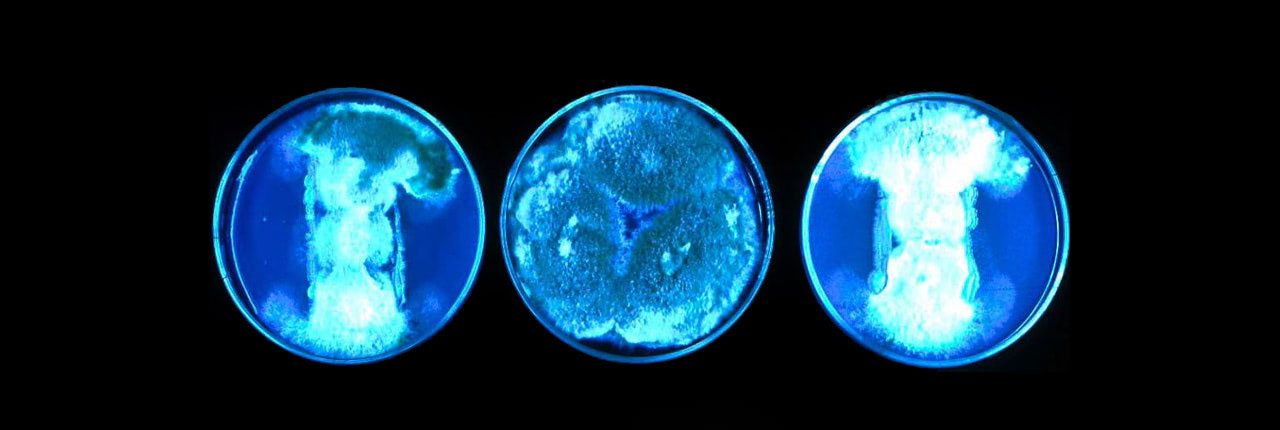
E. Chromi
In 2009, undergraduates at the University of Cambridge worked with scientists and artists to engineer E. coli into E. chromi, a new type of bacteria that secretes a range of colorful pigments.

Interview: Lining Yao, Interaction Designer and Maker of Novel Materials
Echte innovaties zijn hightech maar analoog ze ontstaan door biologie genetica en design te combineren om energie en hulpbronnen te ...
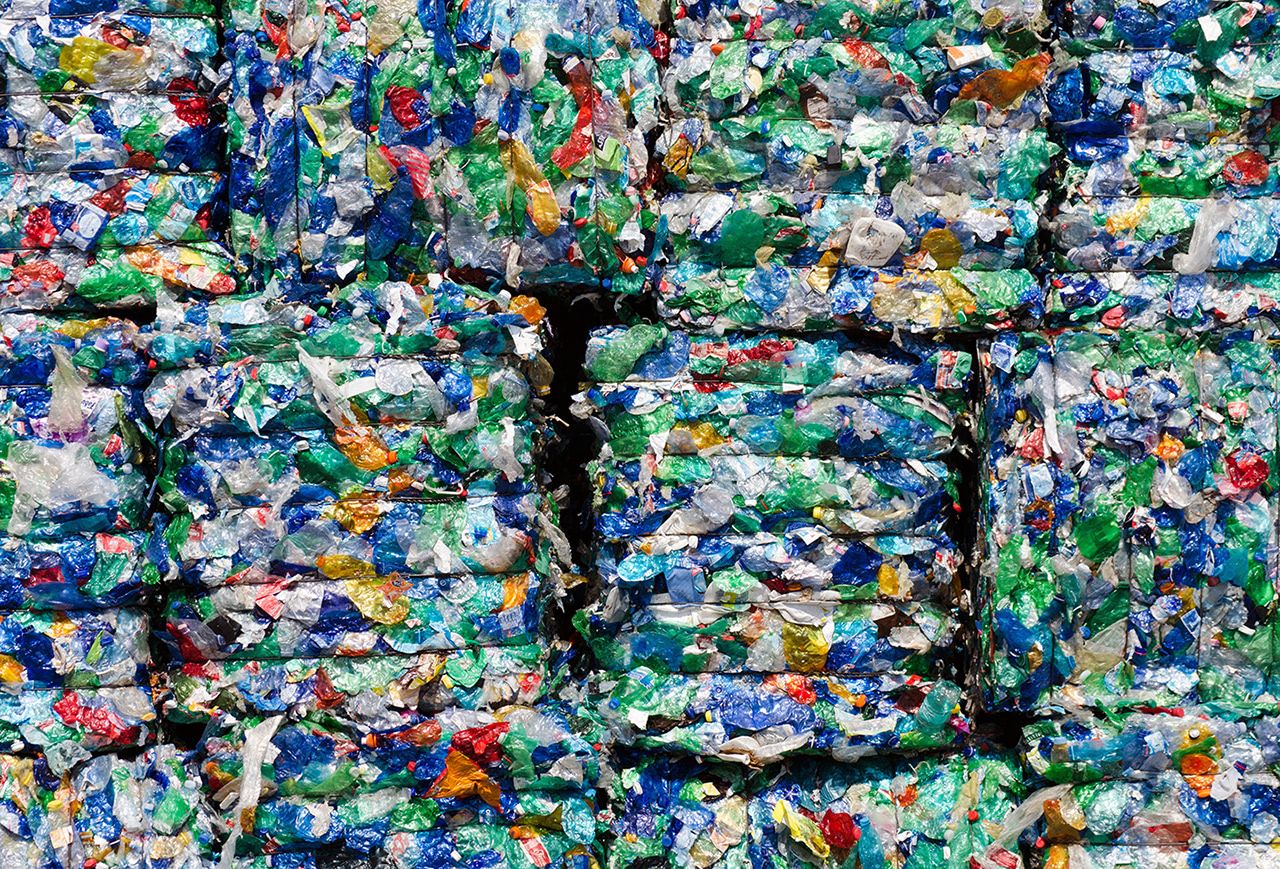
Plastic-Eating Bacteria Are Coming
Bacteriën zijn overal. Daarom is het een veilige aanname dat ze ook aanwezig zouden moeten zijn in plastic-recyclefabrieken. Met deze ...
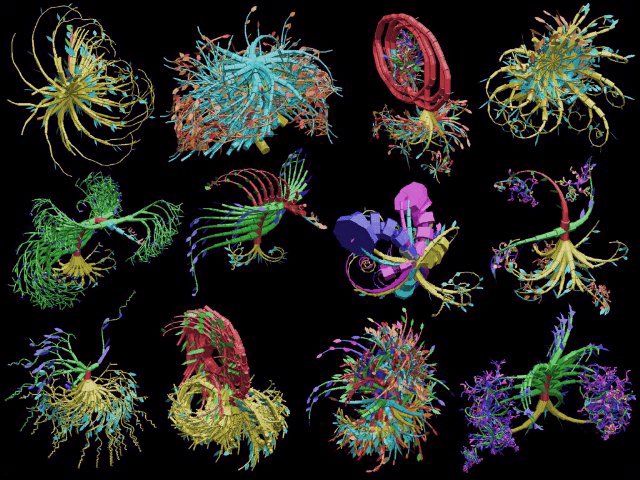
Artifice Earth: Adam Rutherford on the Promises of Synthetic Biology
In the basement recording studio of the journal Nature scientist and broadcaster Adam Rutherford sat down with speculative architect Liam ...