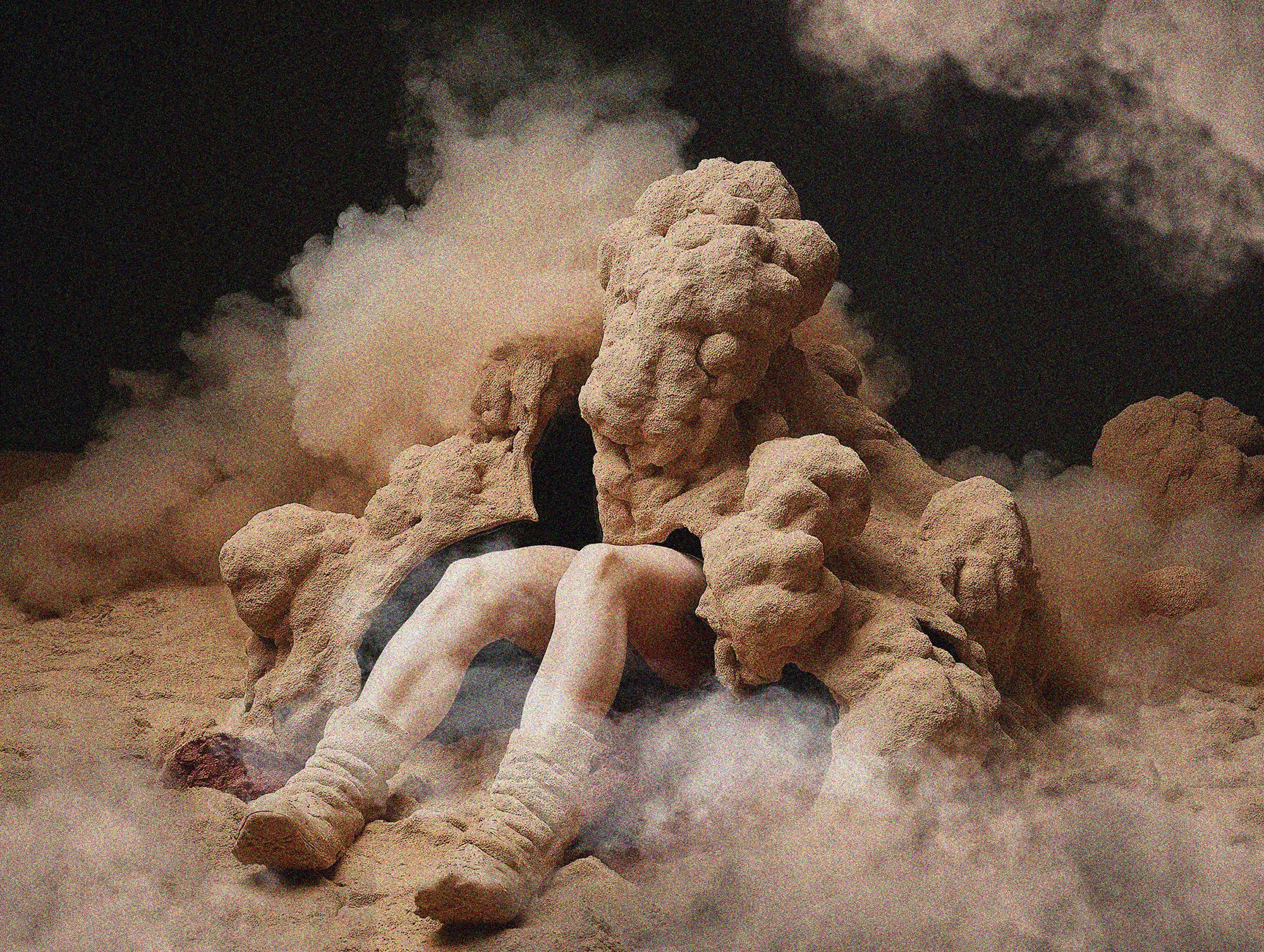
Becoming Red Dust
Hung Lu ChanFrom time immemorial, we’ve looked at Mars through a one-way lens, from mysterious myths to science-fiction tales of extraterrestrial conquests.
Becoming Red Dust by Hung Lu Chan invites us to look beyond the current numbers and data models. Instead of maps, graphs, and AI simulations, we turn our gaze to something small: the dust of Mars. In this way, it gains a voice of its own.
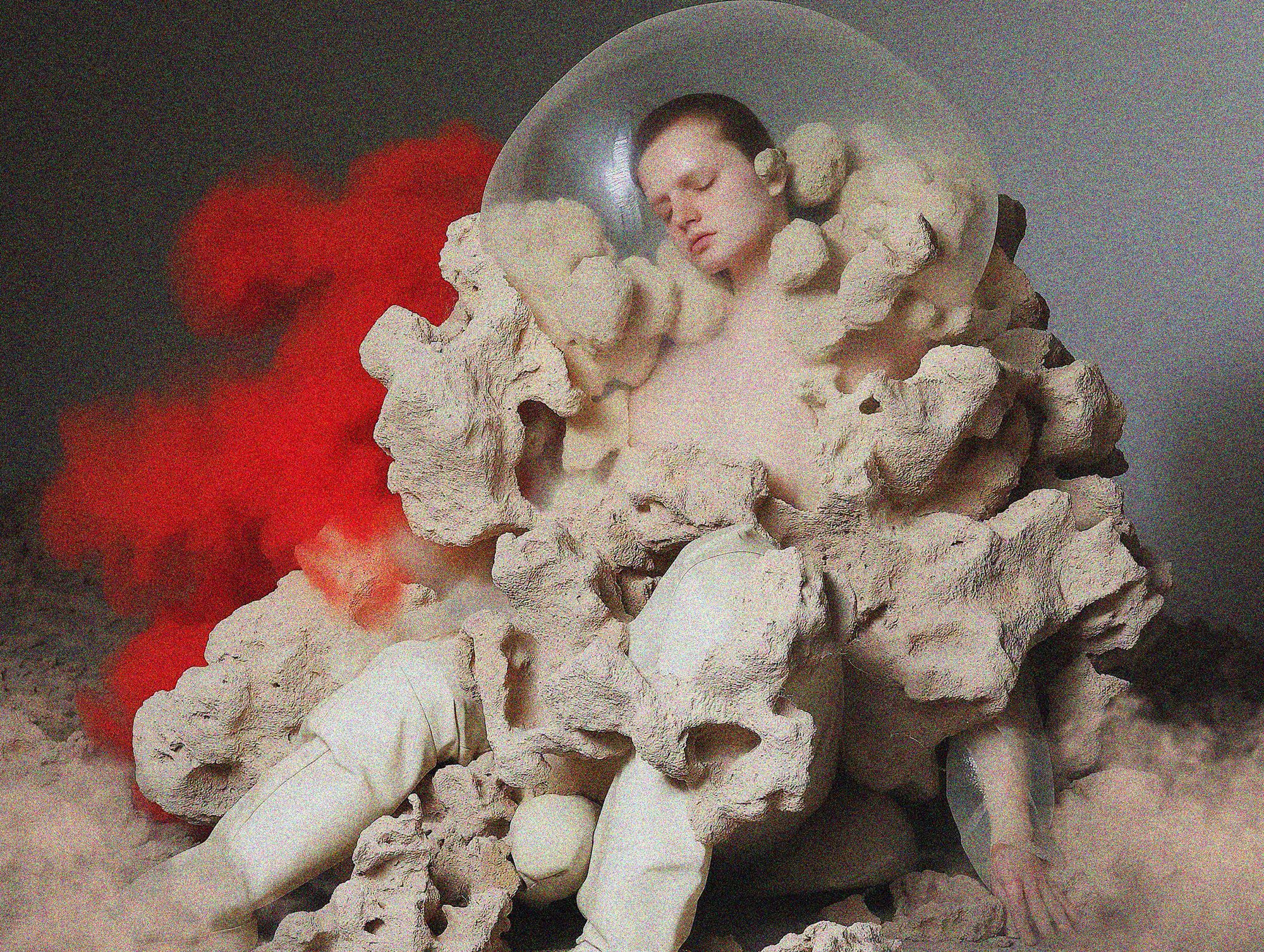
Misinterpretations of observations, like the so-called Martian canals of the 1870s, fuelled visions of alien civilisations and framed Mars as a place to conquer. Modern technology has corrected many illusions, but our knowledge still depends on data and AI simulations. Reducing a planet to numbers risks creating distance instead of encouraging connection.
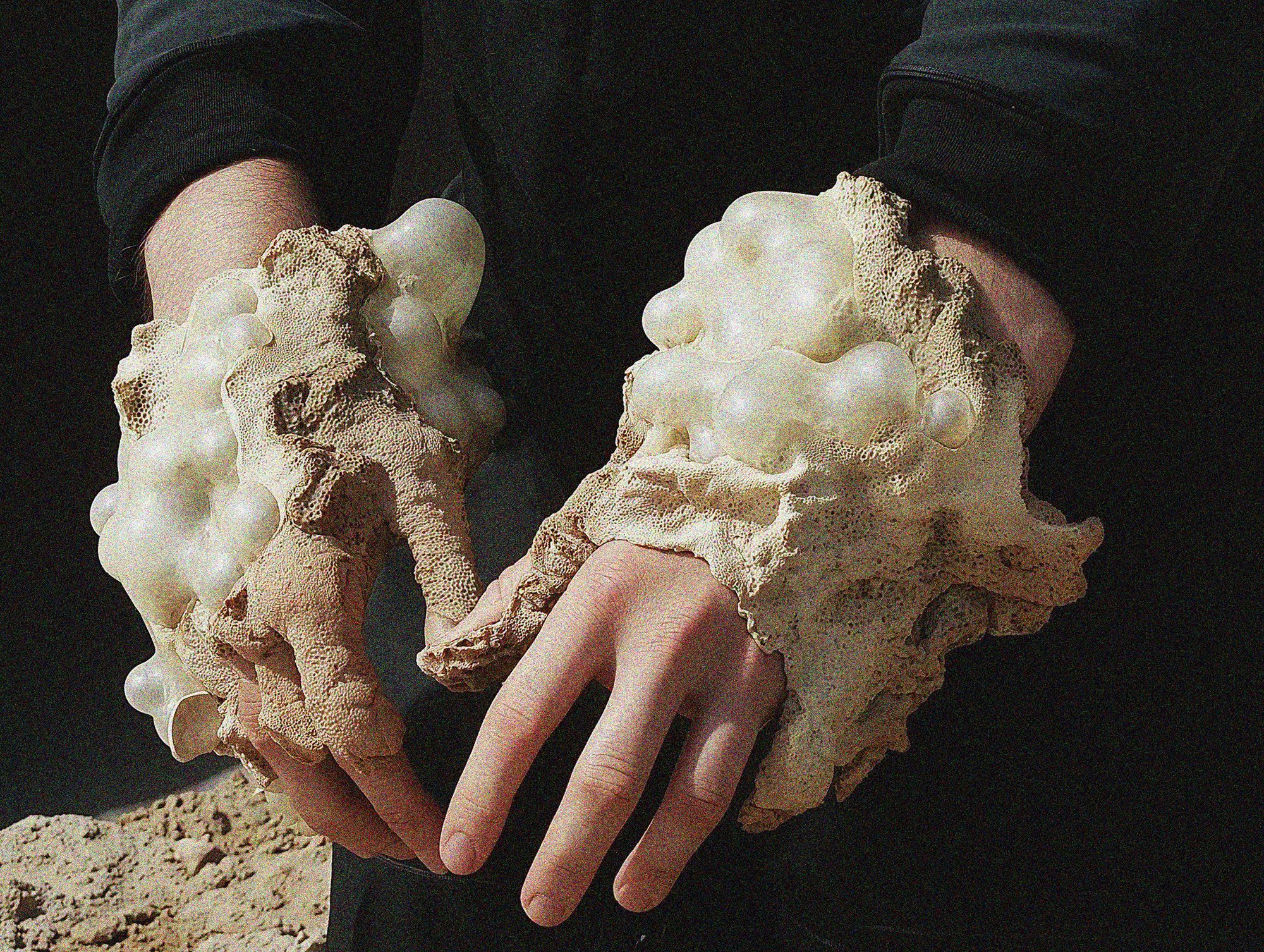
Becoming Red Dust invites us to identify with Mars’ most persistent element: its red dust. Seeing dust as an inhabitant offers a more intimate understanding of the planet. This speculative approach questions human-centred views and proposes a future of coexistence in which even non-living things can be storytellers and witnesses in a shared ecology. In this way, Mars becomes less a target for conquest and more a world to relate to.
Comments (0)
Share your thoughts and join the technology debate!
No comments yet
Be the first to share your thoughts!