Application Deadline: October 20
THE DREAMED-UP CARE: A SPECULATIVE TESTING GROUND
Heaven’s Hospital invites designers, artists, architects, filmmakers, writers, technologists, game developers, researchers, scientists and other creative makers to develop new perspectives on the future of care.
We are not looking for ready-made solutions, but for fresh ideas. Speculative designs. Artistic research. Future scenarios. Prototypes. New applications of AI. Architecture. Products. Digital systems. Rituals. Films. Installations. Services. New forms of collaboration. Anything that can contribute to a different way of thinking about health and care.
BEFORE CARE CAN CHANGE, WE MUST DARE TO REIMAGINE IT. HEAVEN’S HOSPITAL DESIGNS THAT FUTURE TOGETHER WITH ARTISTS, DESIGNERS, SCIENTISTS AND CARE PROFESSIONALS.
Three selected projects become part of Heaven’s Hospital: a growing research and presentation platform in which design, art, science and technology jointly explore possible futures of care.
We believe that design does not only provide answers, but above all raises new questions. By making possible futures visible, imaginable and debatable, space is created for innovation, social dialogue and new forms of collaboration. The future of care begins with imagining it.
Heaven’s Hospital is an exhibition in the Next Nature Museum where visitors, scientists and patients together assess and discuss what is desirable for the future of care.
If God had a hospital in heaven, would it resemble the hospitals we know here on earth?
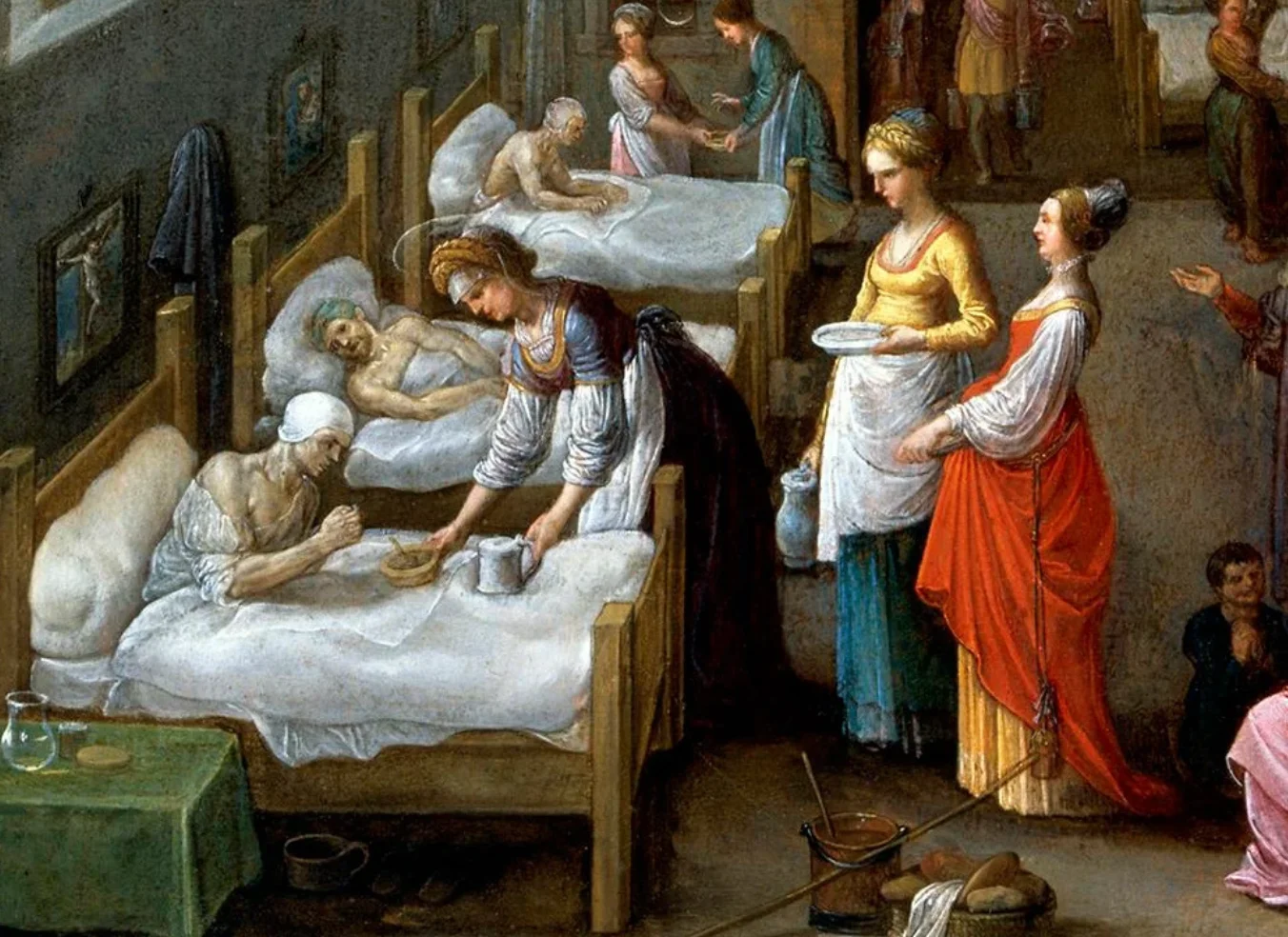
The answer of (almost) everyone is: no. What, then, does ideal care look like? Heaven’s Hospital explores the future of care by deploying humane technologies as part of recovery and well-being. With a network of experts and an open call, the project approaches the urgent, systemic care crisis from a critically optimistic perspective.
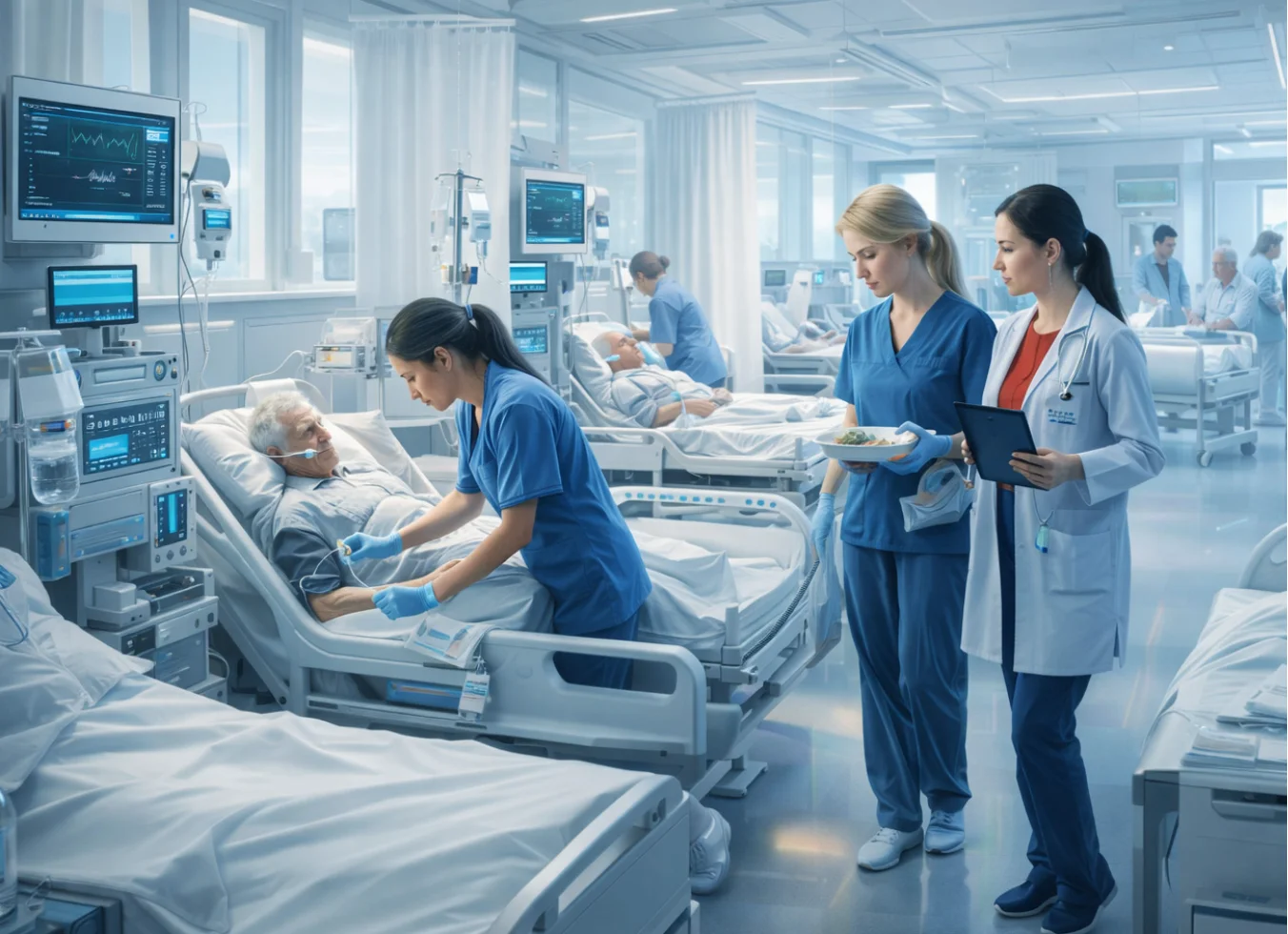
At the centre is the question of how care environments can transform from "repair factories" into sensory ecosystems by developing future scenarios for care, in which the human dimension and a plural view of health take centre stage.
CARE ISSUES & DESIGN QUESTIONS
With new ideas in care we mean experiences in which the physical and digital world converge. The patient moves with their own body through a spatial narrative and experiences different perspectives along the way.
Heaven’s Hospital sits at the intersection of art, design, science, architecture, care and new technology. We are looking for proposals that question existing systems and make new possibilities visible.
FROM ILLNESS TO HEALTH
The care system is still organised around treating illness, while the greatest gains lie in prevention, lifestyle and health. The question shifts from "How do we cure?" to "How do we stay healthy?"
>>> DESIGN QUESTION <<<
How do we design a care system in which health matters more than illness?
HOSPITAL AS MACHINE
Many hospitals still function according to twentieth-century principles: Departments – Protocols – Efficiency – Standardisation. This increasingly clashes with personalised care and complex chronic conditions.
>>> DESIGN QUESTION <<<
What would a hospital look like if we started over today?
STAFF SHORTAGE
This may well remain the biggest challenge. Enormous workloads – Attrition – Ageing – Administrative burdens. According to the national government, the shortage could rise to over 300,000 care workers by 2035 if nothing changes.
>>> DESIGN QUESTION <<<
Why are we designing a system that needs more and more people?
AI CHANGES THE ROLE OF THE DOCTOR
AI will become increasingly proficient at: diagnoses – radiology – administration – planning – forecasting. Consequently, the question is not whether AI can replace a doctor, but rather which human qualities will become more important. Empathy, trust, and meaning may well become more valuable than technical knowledge alone.
>>> DESIGN QUESTION <<<
AI will become increasingly proficient at: diagnoses – radiology – administration – planning – forecasting. Consequently, the question is not whether AI can replace a doctor, but rather which human qualities will become more important. Empathy, trust, and meaning may well become more valuable than technical knowledge alone.
THE PATIENT BECOMES A PRODUCER OF DATA
More and more healthcare arises outside the hospital. Wearables – Sensors – Home measurements – DNA – AI coaches. As a result, care shifts from the hospital to the home.
>>> DESIGN QUESTION <<<
Will the hospital still be a building in the future?
EXPLOSION OF CHRONIC CONDITIONS
Due to an ageing population, more and more people live for years with multiple conditions at once. This does not require acute medicine but long-term guidance.
>>> DESIGN QUESTION <<<
How do we design guidance?
MENTAL HEALTH
Stress, burnout, loneliness and depression are growing. Yet hospitals are designed primarily for the body.
>>> DESIGN QUESTION <<<
How do we design care for both body and mind?
THE HUMAN EXPERIENCE IS OFTEN MISSING
This may be your most important topic. Many patients experience: Loss of autonomy – Waiting – Disorientation – Fear – Poor nutrition – Artificial light – Noise – Sleep deprivation. While it is precisely these factors that influence recovery. A hospital is technically excellently designed. But rarely emotionally.
>>> DESIGN QUESTION <<<
How do we design for people?
CARE IS BECOMING INCREASINGLY UNEQUAL
Not everyone benefits equally from innovations. Differences are emerging in: Digital skills – Income – Health – Life expectancy. According to the Dutch Healthcare Authority, the difference in healthy life years between high and low socio-economic groups is even tens of years.
>>> DESIGN QUESTION <<<
How do we make care inclusive and equal?
CLIMATE AND CARE
The care sector is among the largest producers of CO2 emissions. Medication, disposables, operating rooms and buildings have an enormous ecological footprint. Increasingly, sustainability is seen as part of good care.
>>> DESIGN QUESTION <<<
How do we design sustainable care?
FRAGMENTATION
Every specialist treats a piece of the human being. The patient moves from: GP – Specialist – Physiotherapist – Psychologist – Pharmacy – Municipality.
>>> DESIGN QUESTION <<<
Who designs the whole?
BIRTH, OLD AGE AND DYING HAVE BECOME MEDICALISED
More and more life stages have become part of medical systems. As a result, rituals, community and meaning sometimes disappear. This offers an enormous field for artists and designers.
>>> DESIGN QUESTION <<<
How do we deal with old age and death?
WHAT ARE WE LOOKING FOR?
Projects that explore the future of healthcare through artistic research, speculative design or technological innovation. Projects or products that actively engage the public through installations, interactive environments, spatial interventions, digital experiences, games, performances or other participatory forms.
CROSS-DISCIPLINARY INNOVATION
Projects that combine design with fields such as:
- Artificial intelligence
- Robotics
- Immersive media (VR, AR, XR)
- Biotechnology
- Synthetic biology
- Architecture
- Food design
- Sound design
- Innovation in care
- Data science
- Ecology
- Philosophy
POSSIBLE OUTCOMES
Speculative visions, practical prototypes. Projects can result in:
- immersive installations
- speculative scenarios
- AI applications
- architectural concepts
- products / prototypes
- interactive experiences
- healthcare services
- films / performances
- rituals
- spatial interventions
- digital platforms
- research publications
WHO CAN APPLY?
Artists, designers, architects, researchers, care professionals, filmmakers, writers, technologists, scientists and interdisciplinary makers with a strong interest in the future of health, care, technology and society. Applications may be submitted individually or collectively.
TIMELINE
SELECTION & SUPPORT
Three selected projects each receive a budget of € 15,000 for the development of a first prototype or artistic intervention.
Selected participants become Heaven’s Hospital Fellows and join an international network of designers, researchers, care professionals and artists.
Projects are expected to contribute to the ongoing research programme of Heaven’s Hospital and may be publicly presented in the Next Nature Museum.
Proposals must be feasible within the available time while remaining ambitious and experimental.
WHAT TO SUBMIT
Each participant may submit one proposal consisting of:
- Completed application form
- Curriculum Vitae
- Portfolio (maximum 10 pages/slides)
- Concept visualisation
UPLOAD REQUIREMENTS
- PDF only
- Maximum 50 MB per uploaded file
- Application in English or Dutch
- Submission through the online application portal
SELECTION CRITERIA
The jury will assess proposals on:
- Originality and imagination
- Relevance to the future of healthcare
- Artistic and design quality
- Innovative use of technology
- Public engagement
- Feasibility within the available budget
- Potential contribution to the Heaven’s Hospital research programme
MEET THE JURY
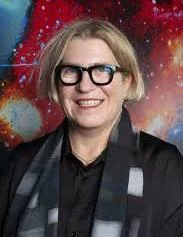
MIEKEGERRITZEN
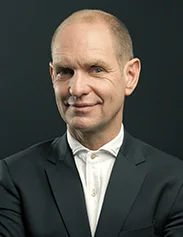
Mieke Gerritzen is a designer, writer, curator and Creative Director of Next Nature. She was previously director of MOTI, Museum of the Image, and head of the design department at the Sandberg Instituut. In her work she explores the cultural impact of technology on art, design and media.
JEROENVAN ERP
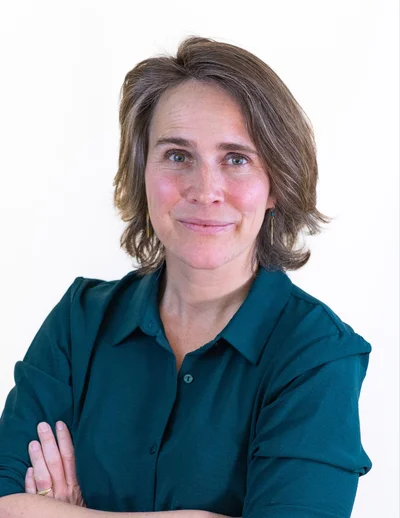
Jeroen van Erp was one of the founders of Fabrique in 1992, which positioned itself as a multidisciplinary and strategic design agency. In 1994 he established the digital media department, in which he played a pioneering role in this field. Between 2015 and 2021 he was professor of concept design at TU Delft.
EMMABRUNS
Emma Bruns is a physician, writer and creative director of Adore, an interdisciplinary initiative of Amsterdam UMC at the intersection of oncology and neuroscience. After her training as a trauma surgeon, she chose a new role in which science, care and art come together. She writes about medicine, change and technology.
JOSSTUYFZAND
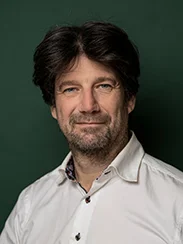
Jos Stuyfzand is a designer and founder of DesignIntangibles. He worked for more than 25 years at Philips Design, including for Philips Healthcare and Lighting. He was at the basis of Philips Ambient Experience and focuses on human-centred design strategies that connect technology, environment and well-being.
MICHAHAMEL
Micha Hamel is a composer of music theatre and opera, as well as a writer of poetry, essays, columns, and theatre texts. He creates virtual reality installations in collaboration with Studio Apvis and runs BURO2040 with Arlon Luijten, an initiative that addresses societal transitions through serious games. He also serves as chair of the Academy of Arts.
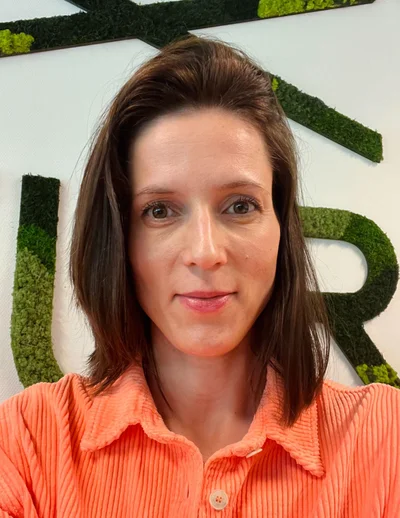
NOOR VANEEKELEN
Noor van Eekelen is a designer and creative lead at Next Nature. In her work, she translates Next Nature’s vision and knowledge into a wide range of projects, including public programs, editorial content, and installations. Noor has a background in design and journalism. She has also taught in various MA programs at Design Academy Eindhoven and Avans.
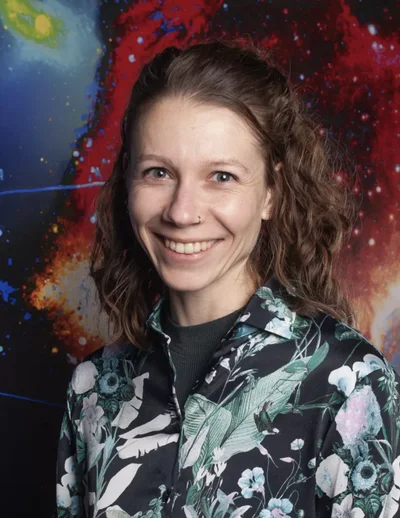
LYDIAHALDERS
The Next Nature Museum is the main base of designer Lydia Halders. Tackling themes related to future thinking and social responsibility, she maintains a lighthearted tone of voice. Nature is unmistakably her primary source of inspiration. Caring for nature is her chief motivation.
APPLICATION FORM
The online submission form for Heaven’s Hospital Open Call.
Every field is required except the website link.