Future Fashion
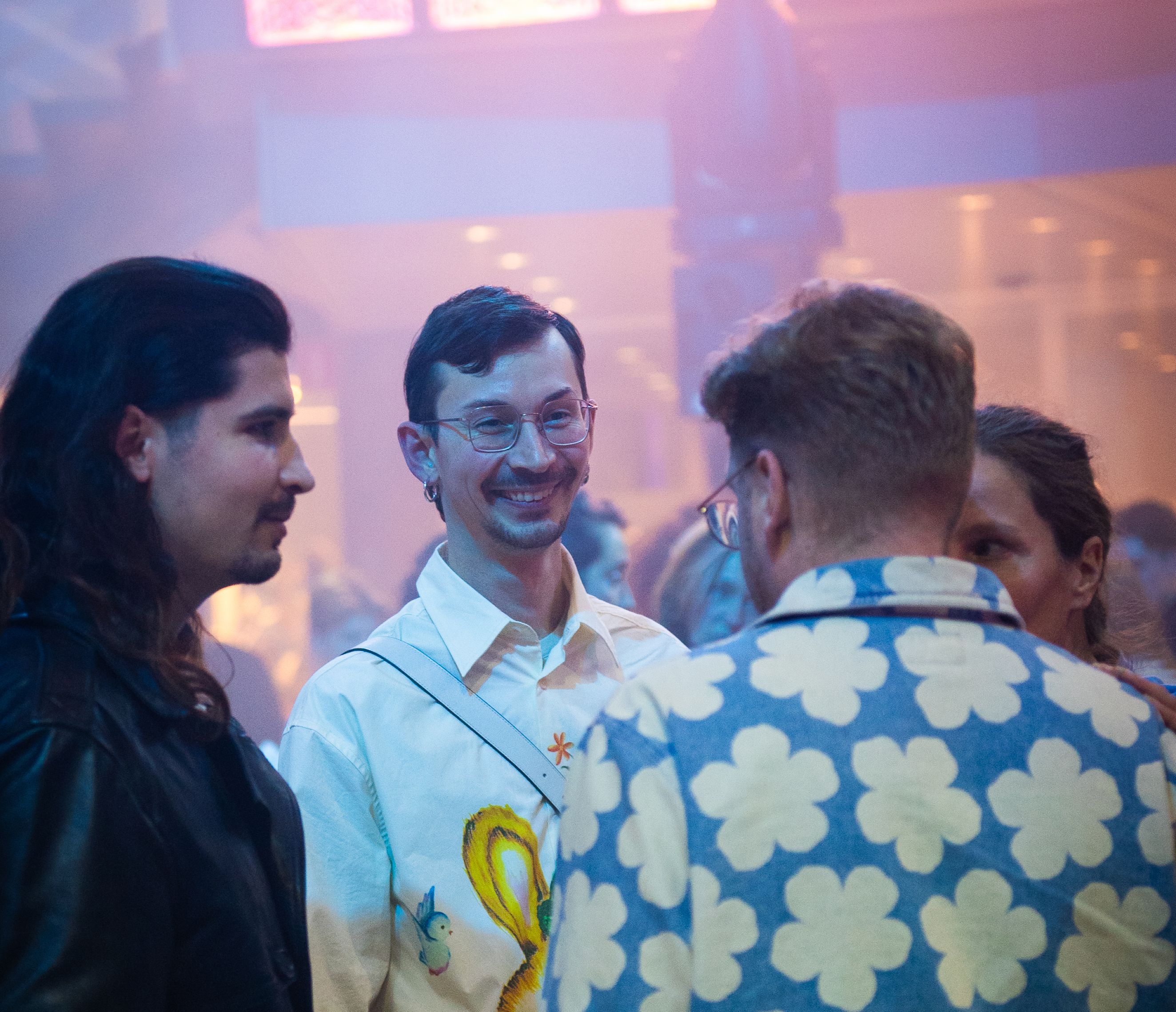
During Future Fashion, we explored the future of fashion. What does the fashion of tomorrow look like? Pioneers and makers presented diverse scenarios, from smart textiles to living innovations.
From catwalk to live materials
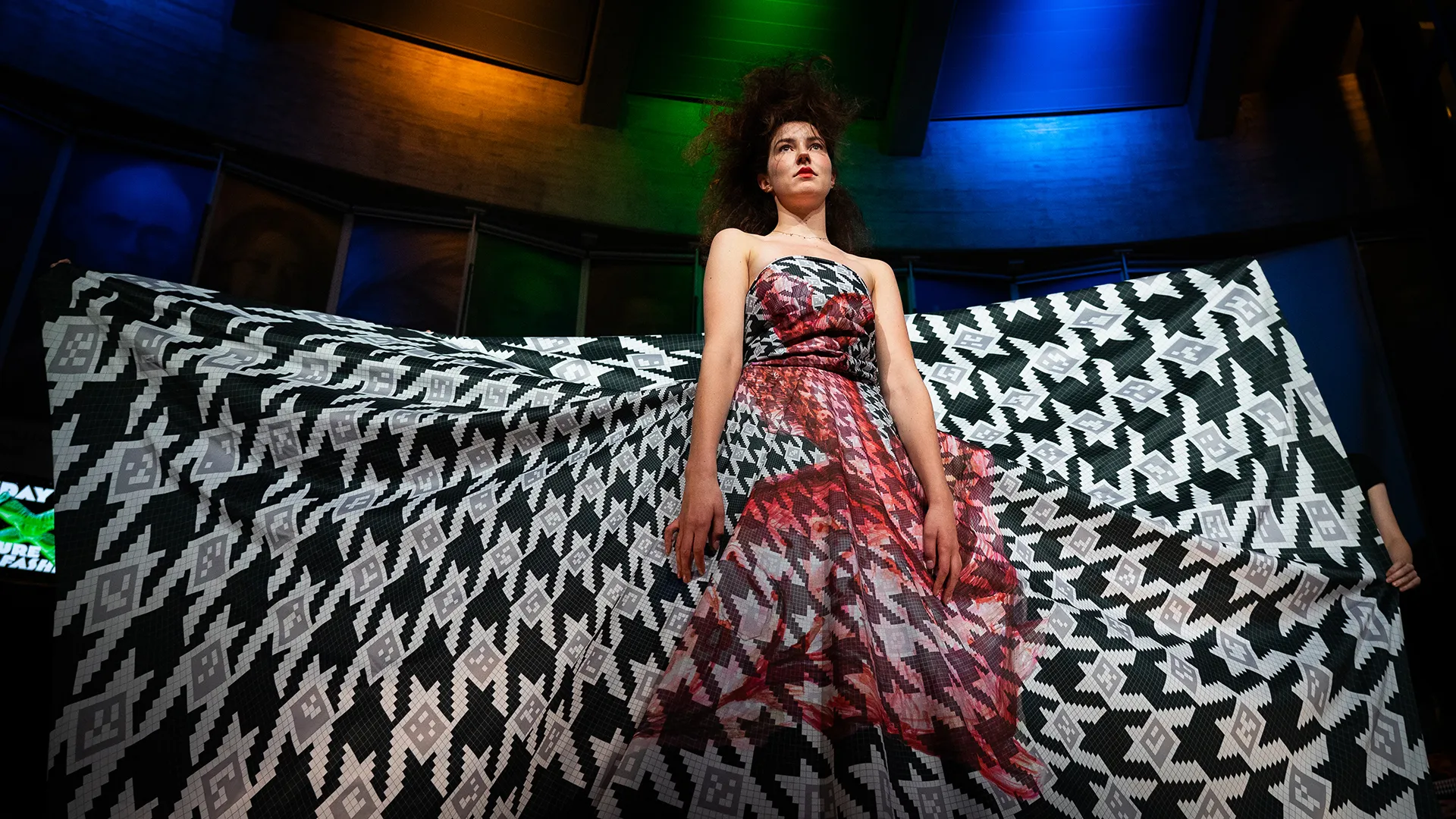
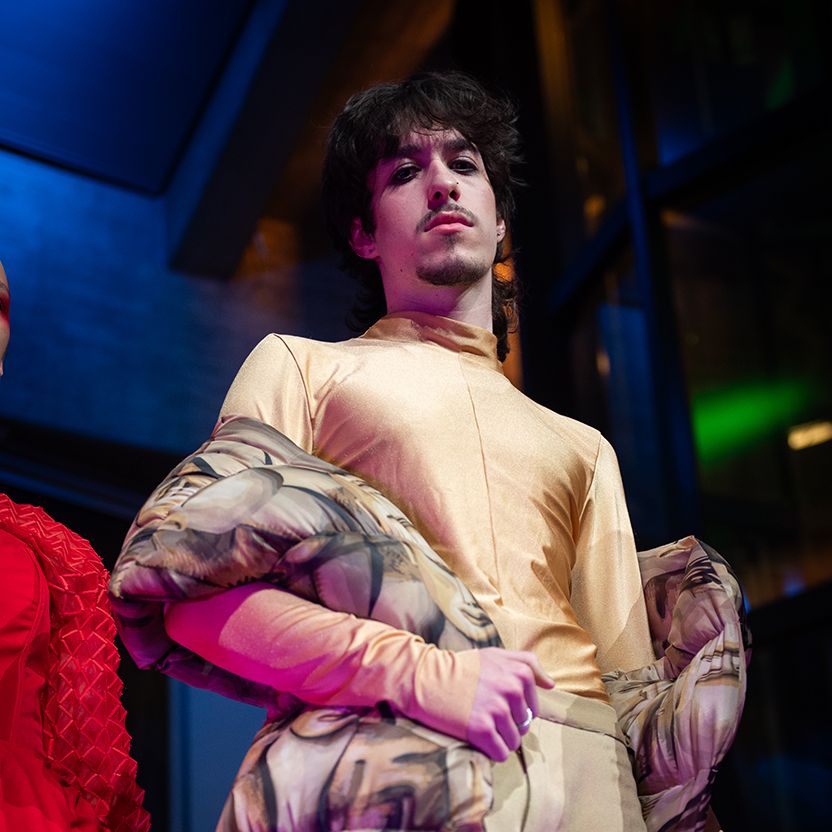
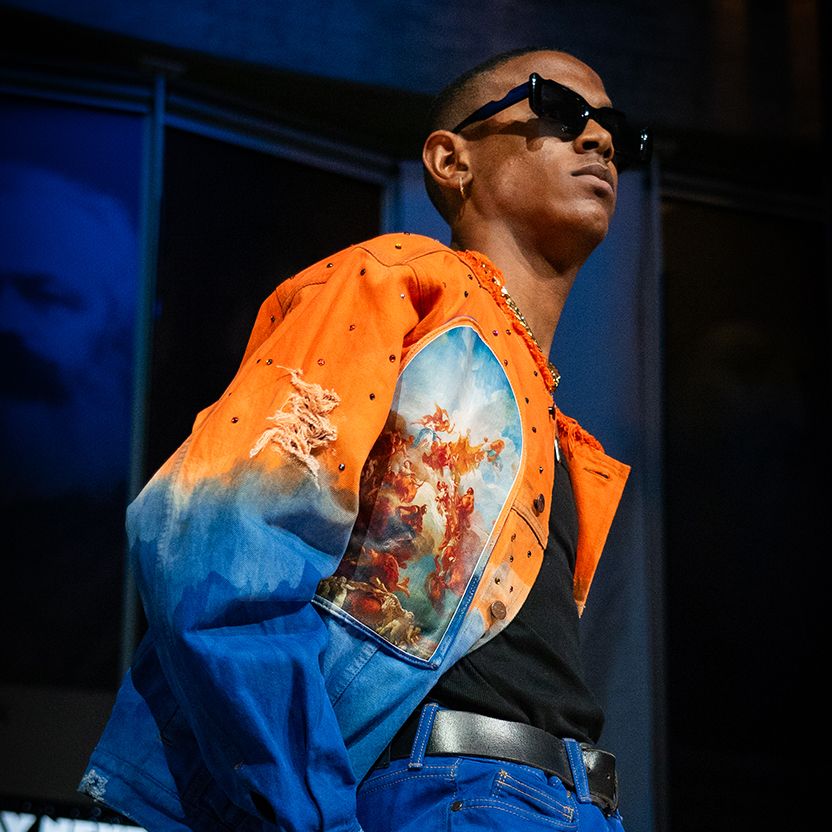
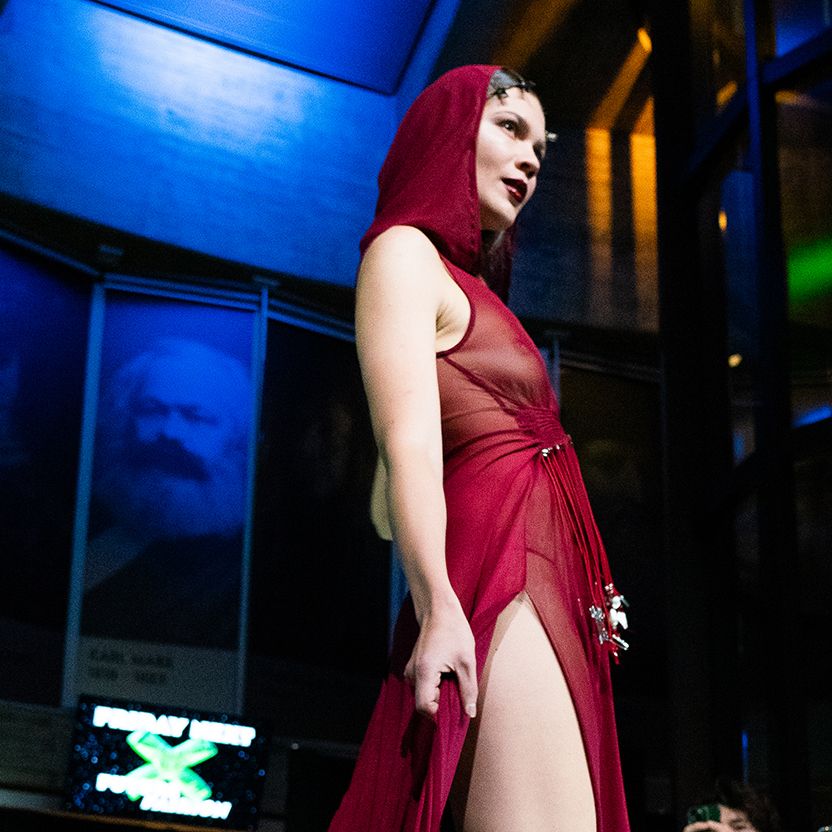
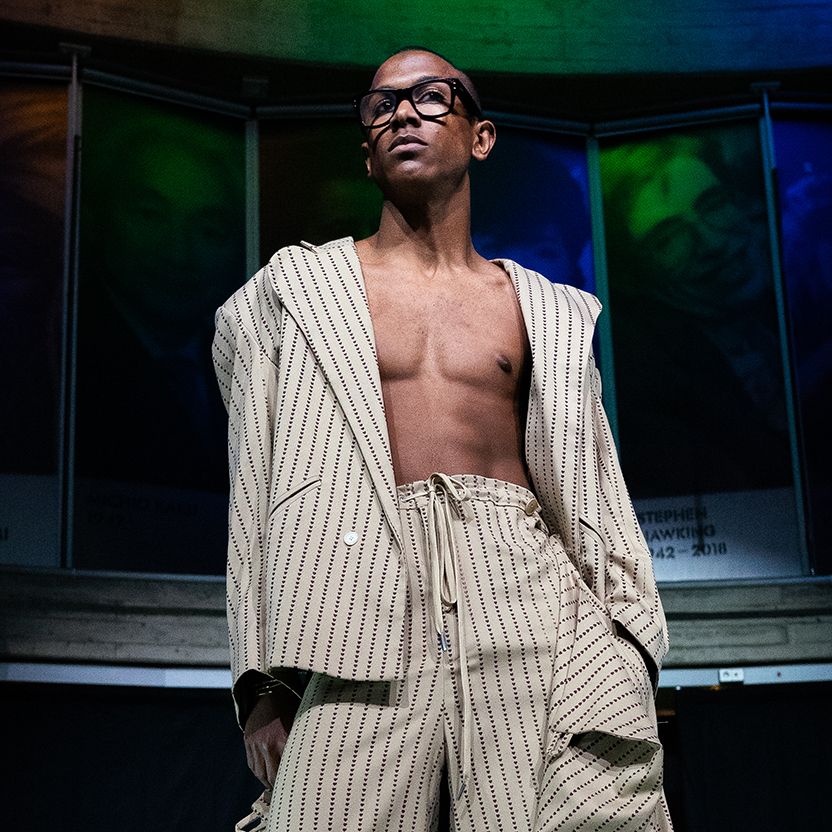
Fashion shows took place in our dome. Soof Stoop presented a gender-neutral collection to question traditional fashion codes, while Ruben Jurriën made a plea for visibility and inclusivity with his colorful work. Dasha Tsapenko worked with living organisms, including fungi, Julie Heij showed the audience grass as a wearable material, and Agnes van Dijk transformed bio-waste into sustainable clothing. Daan Sonnemans demonstrated how existing materials can be given a new life through upcycling.
New materials, new fashion
At the same time, the program provided space for critical reflection on the fashion sector. Pauline Blind exposed the consequences of climate change through her work, while Maja Blom shifted the focus to digital sustainability. Holly Krueger criticized overproduction within the fashion industry, and Kahrawan Suleiman connected fashion to urgent societal issues such as the refugee crisis. Finally, Koen Giesen demonstrated how modern and traditional techniques need not be mutually exclusive, but can actually reinforce each other.
Live talks & Performances
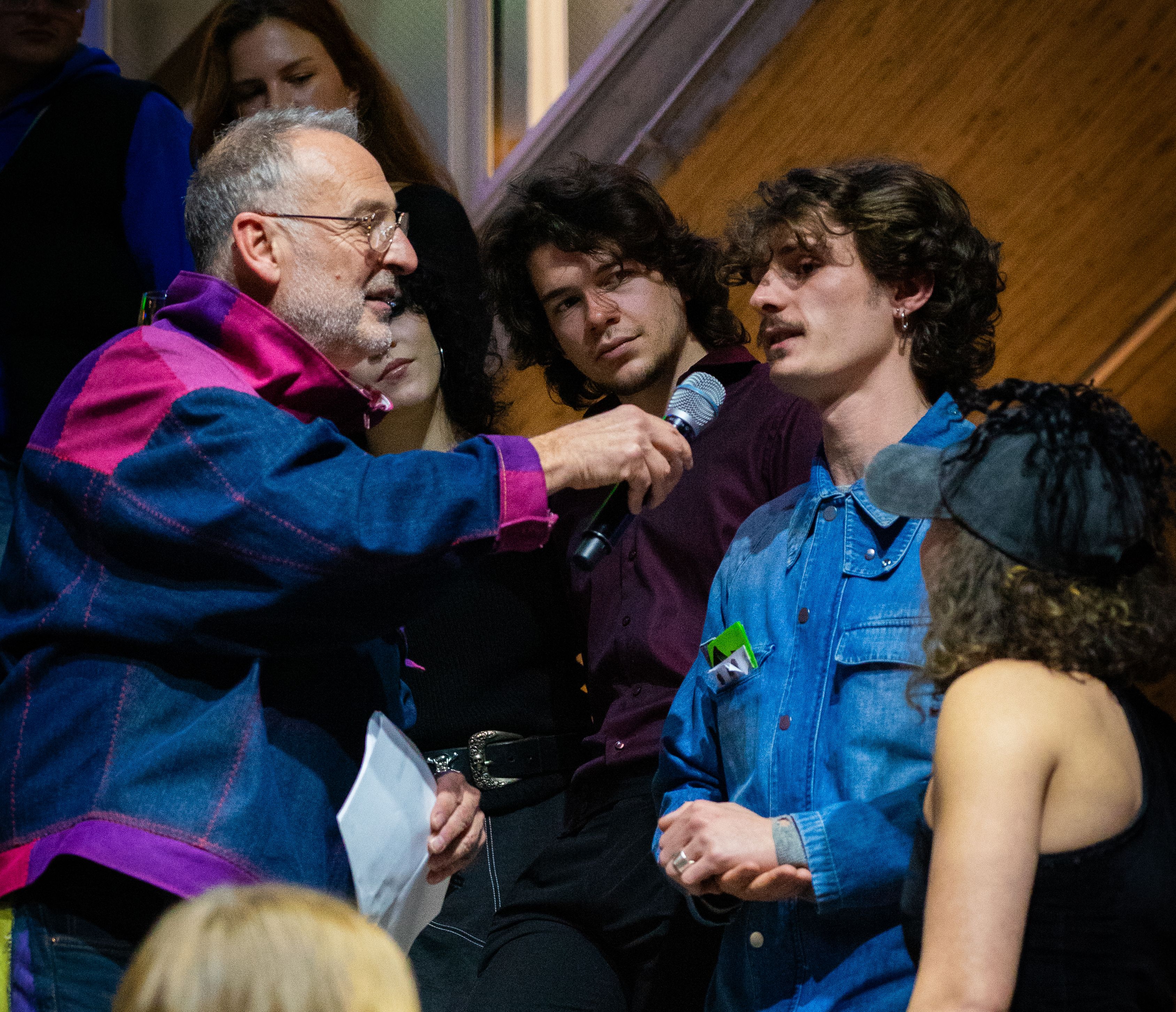
Fashion also took center stage in the Philipszaal. Jasna Rok presented her innovative wedding dress, which reacts to emotions, live. Zsofia Kollar incorporated human hair into her designs, raising questions about identity and the origin of materials. Marina Toeters (Fashion Tech Farm) demonstrated how fashion can be not only aesthetic but also functional and responsible. Additionally, there was digital work by Bart Hess. The evening was moderated by Jeroen Junte. The museum was open to the public. Music was provided by Connect the Odds.