Design Fiction: Designing what doesn't (yet) exist
Dagan CohenDesign is more than just making beautiful things. Dagan Cohen explains how we can use 'stories from the future' to truly change the world today.
In my first year at the Rietveld Academy, I designed a dream projector: a device that, via electrodes on my head connected to a transformer with a lens, projected my dreams onto a screen. A lucrative upgrade soon followed: the dream recorder. With it, I could record and sell my dreams. Getting rich while I slept - it seemed a more efficient strategy than toiling away in a studio.
Of course, I never built that device. But in retrospect, I realize that realization wasn't the point. What matters is the plausibility of the proposal. If you visualize an idea convincingly enough, it starts to function - economically, culturally, politically - regardless of whether it already exists technically. In fact, a large part of our economy runs on precisely this principle: the prefiguration of desires.
Form follows fiction
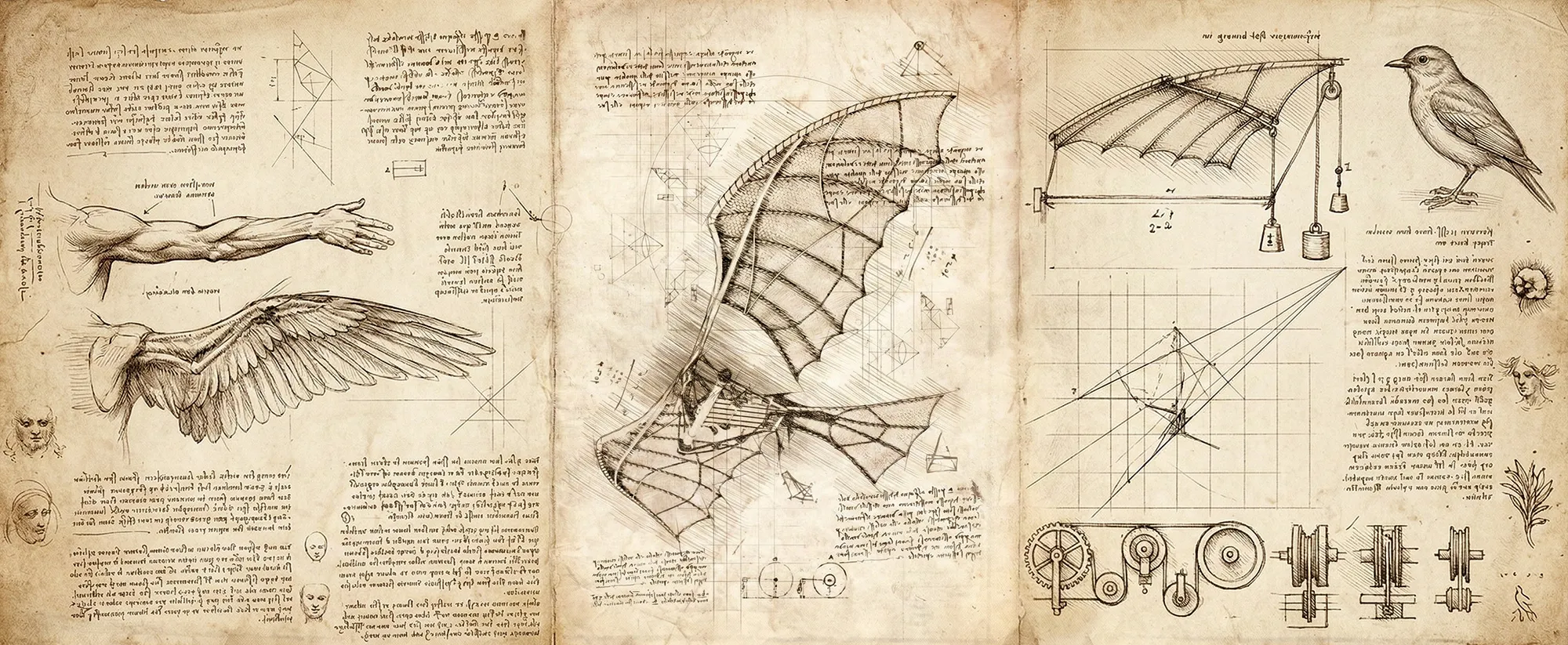
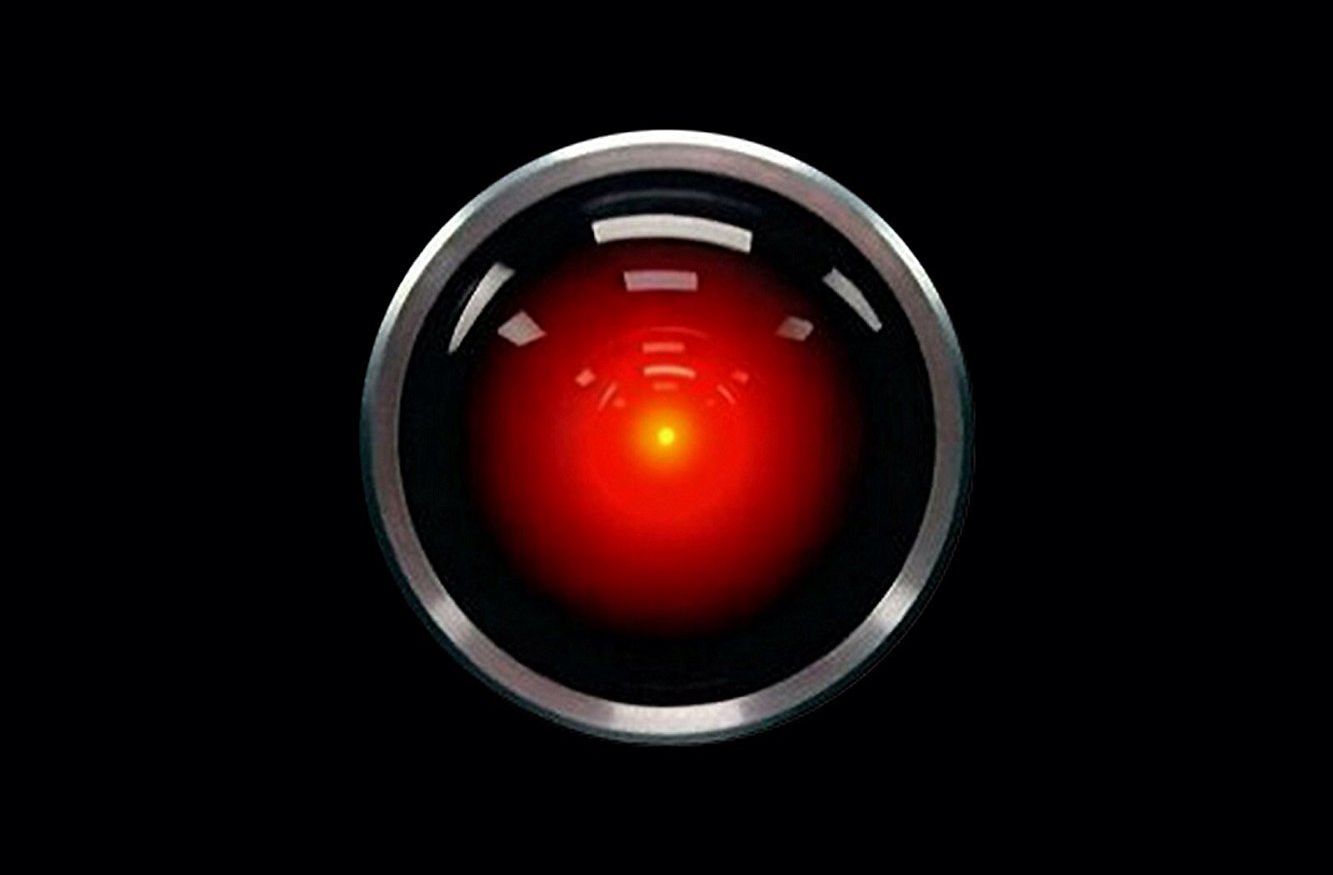
That insight became clearer when I delved into what Julian Bleecker calls "design fiction": the use of speculative artifacts to make possible worlds imaginable. Think of Leonardo da Vinci's flying machine, the HAL 9000 computer from 2001's Space Odyssey, or contemporary Kickstarter campaigns for products that don't yet exist. These objects operate in an in-between space: they are not pure fiction, but not yet reality either. They are prototypes of a possible world.
The modernist doctrine of "form follows function" has always had a shadow principle in practice: form follows fiction. Prototypes at the CES electronics show in Las Vegas, concept cars, and glossy renders of future interfaces are not solutions to existing problems, but instruments for producing new desires. They prepare us for a possible reality.
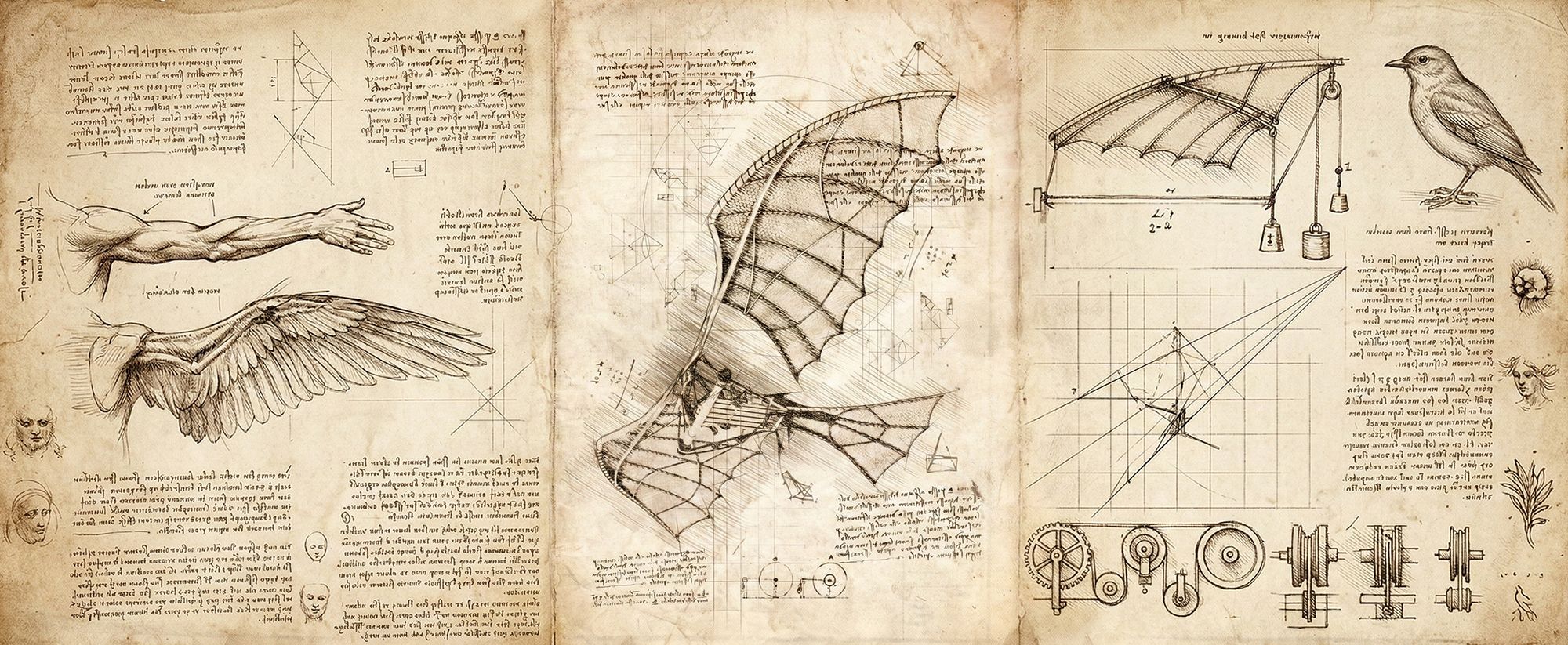
Leonardo da Vinci's flying machine, an early prototype of a future that then existed only in the imagination.
The designer as explorer of the future
Speculative design, as developed by Dunne & Raby, adds a critical dimension to this. Here, fiction is not used to fuel consumption, but to question dominant assumptions. Design becomes an epistemological tool: a way to explore alternative futures and make implicit values visible. But in an era of deepfakes, AI-generated images, and permanent simulation, fiction seems to have lost its distinctiveness. If everything is speculative, what does speculative design add? Perhaps the answer isn't less fiction, but more focused fiction.
Radical Prefiguration
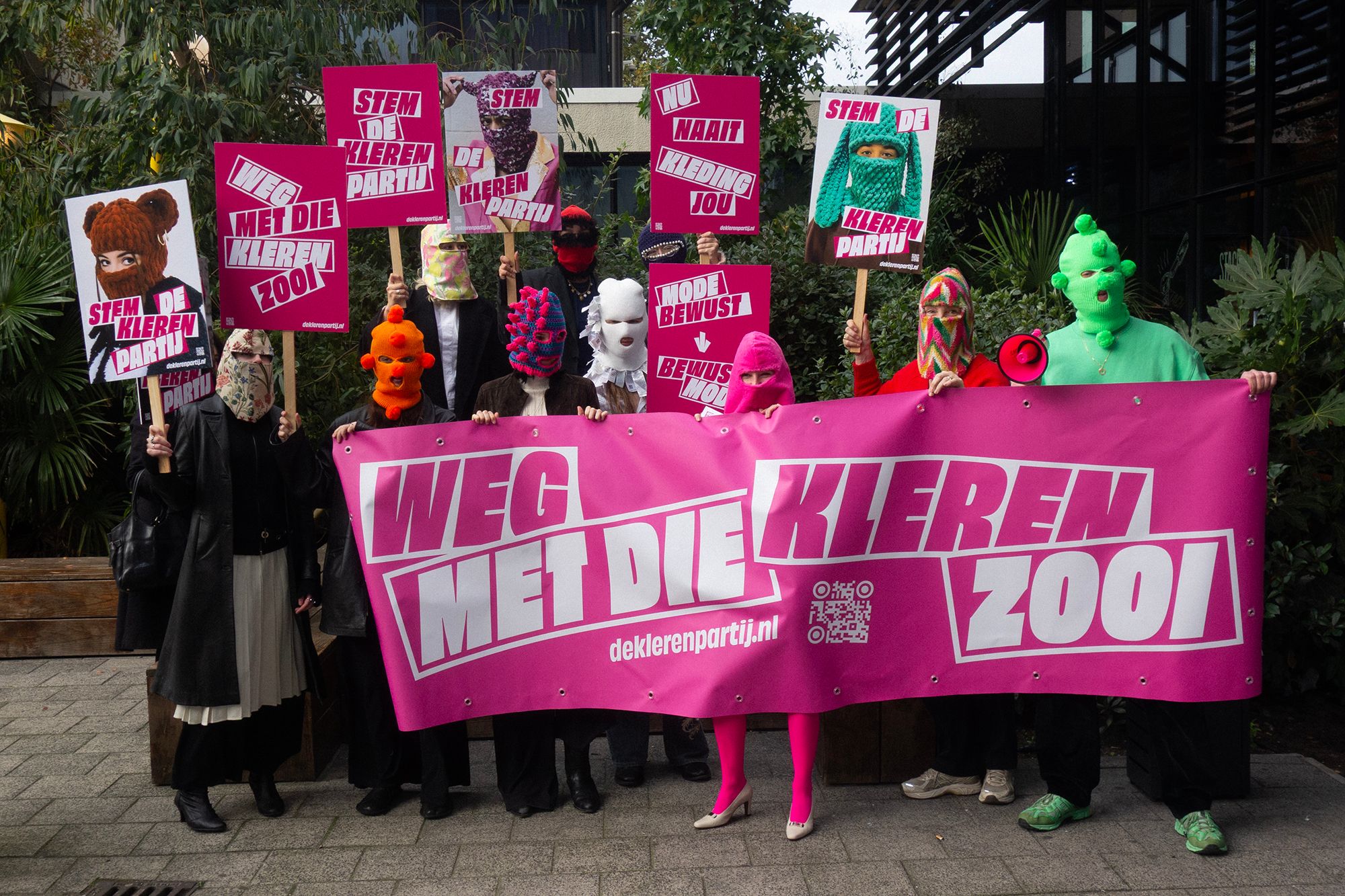
I call this radical prefiguration: the conscious design of artifacts, systems, and institutions that not only represent a desired future but performatively bring it about. Last year, I experimented with this by founding a fictional political party with AMFI students: De Klerenpartij. What began as a speculative scenario - a political movement against fast fashion - quickly had unexpected real-world effects, including a police intervention and the near-arrest of the performers. Apparently, a well-designed fiction can significantly disrupt reality.
That is the true potential of design fiction: not reflective speculation on a possible future, but actively intervening in the current system with inspiring alternatives. Every dominant reality once began as an improbable prototype. The question, then, isn't whether design should be allowed to use fiction, but which fictions help accelerate change and which worlds we can already begin to build with them.
A more extensive version of this article is available on Design Digger (in Dutch).
About Dagan Cohen
Dagan Cohen is founder of Changency, a creative agency for social change. He is also the director of the Amsterdam Donut Coalition, a movement to put Kate Raworth's doughnut economy into practice in Amsterdam.
Comments (0)
Share your thoughts and join the technology debate!
No comments yet
Be the first to share your thoughts!