Computers made of brain cells: science fiction or reality?
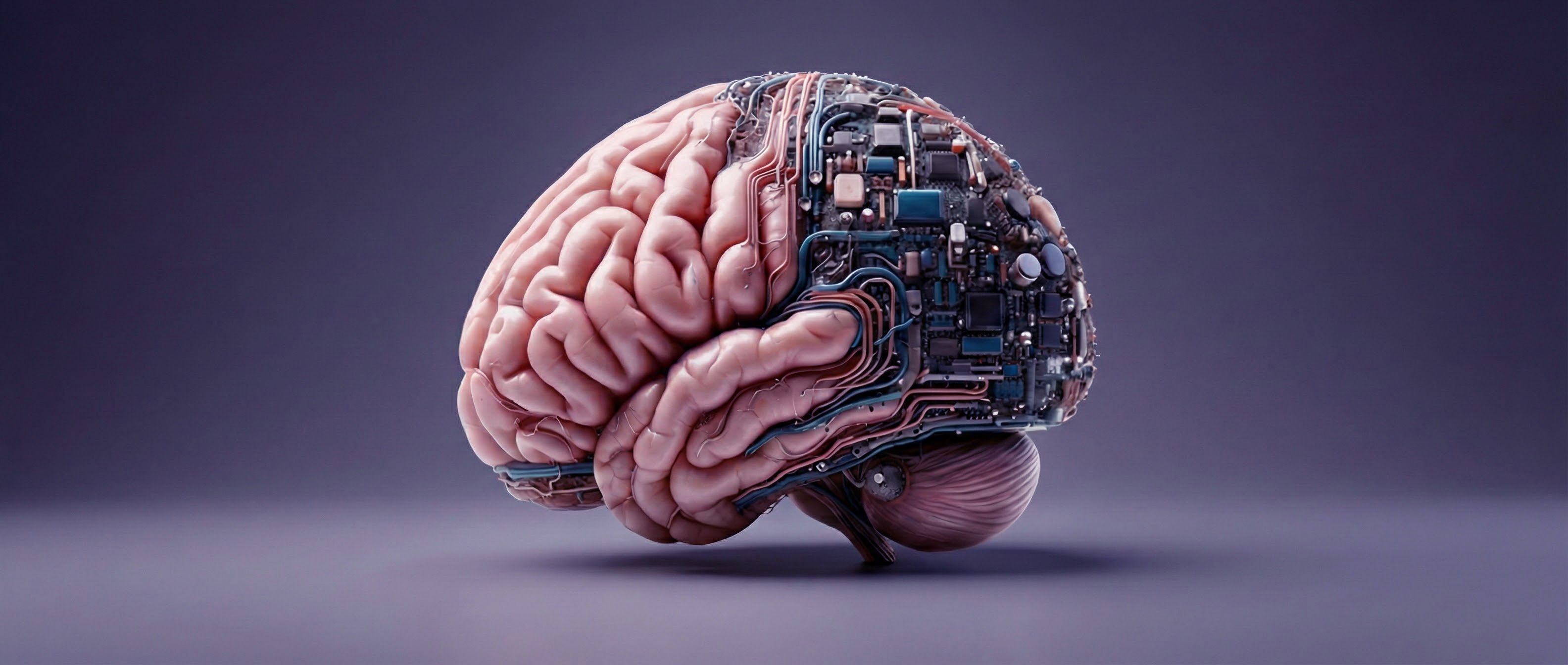
Noor van EekelenImagine: a computer that runs not just on chips, but on living brain cells. It sounds like an experiment from a cyberpunk movie, but serious research is being conducted on this in labs, often under the name of biocomputing. This creates a hybrid form: part computer, part living tissue. What are we actually creating here? And how far have we really come?
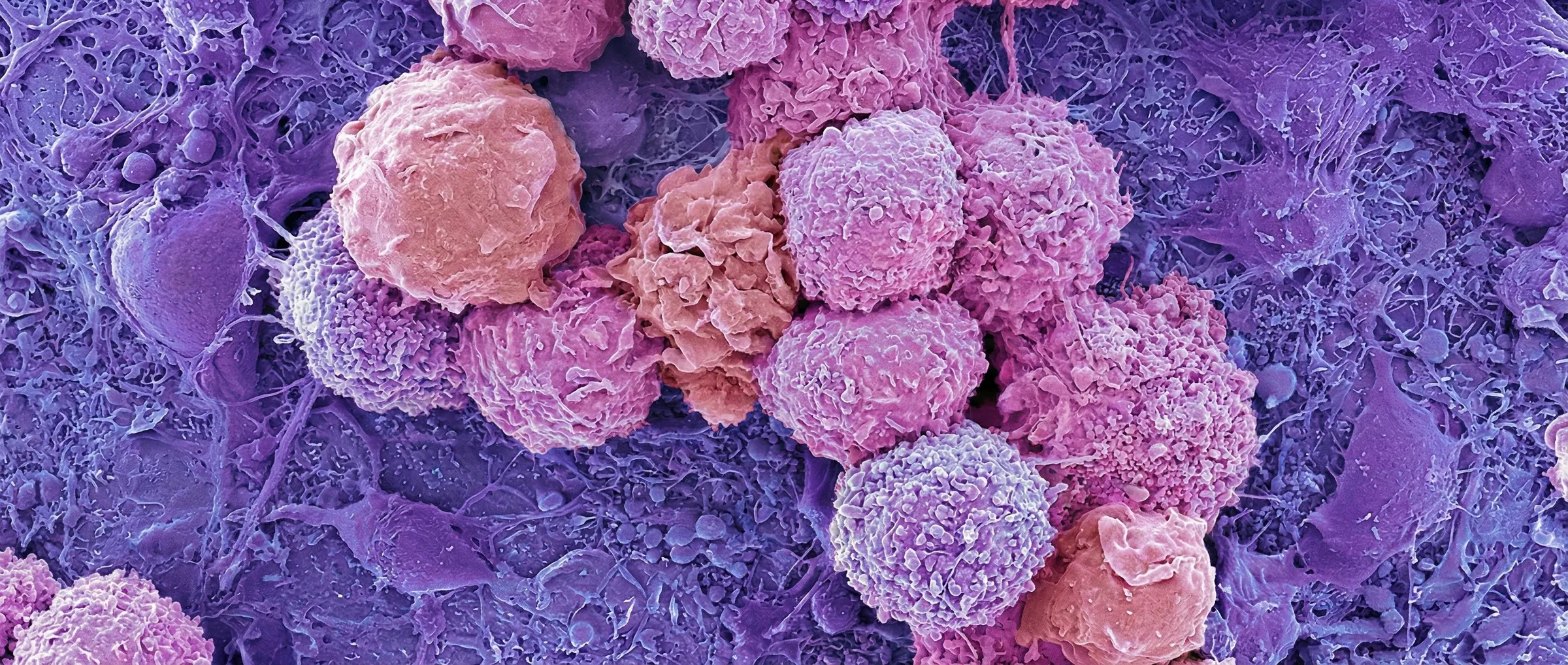
Researchers are growing brain tissue from human stem cells: brain organoids. To make them "do" something, scientists connect organoids to electronics, for example, a chip that can read and send back electrical signals. This creates a hybrid system: part computer, part living tissue.
Why do we want this?
A large AI model in a data center consumes enormous amounts of power. The promise of biocomputing revolves primarily around energy efficiency and adaptive learning. Brains are extremely energy-efficient compared to many current computers
The Modular Body
As early as 2016, artist and Next Nature fellow Floris Kaayk explored a future in which the human body consists of interchangeable, cultured parts with his fictional project, The Modular Body. By blending documentary and science fiction, the work raises questions about feasibility and identity, precisely the kinds of questions that also arise with living technologies like biocomputers.
Ethical Rules
The ethical debate hasn't become milder recently, but rather more acute. Could organoids ever develop consciousness? And when does a biocomputer become not just hardware, but a test subject? In short, computers made from brain cells are no longer pure science fiction, but the subject of nascent, rapidly evolving research. The fact that we are already asking these questions demonstrates how deeply nature and technology have become intertwined.
Comments (0)
Share your thoughts and join the technology debate!
No comments yet
Be the first to share your thoughts!